
Eight Checks for Natural Gas Generator Manufacturers and Suppliers
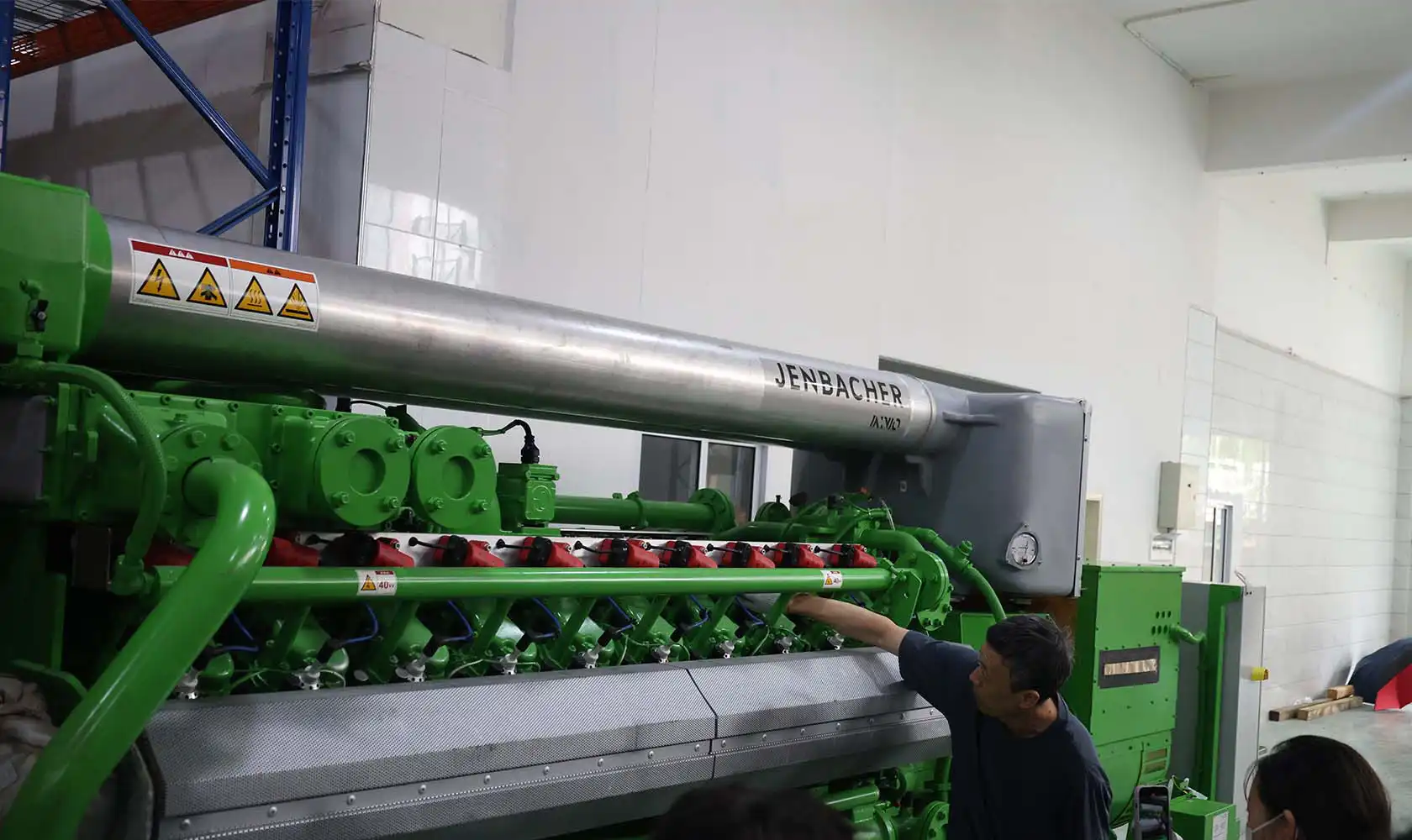
Compare natural gas generator manufacturers on eight points: fuel suitability, equipment identity and condition, quotation scope, acceptance testing, delivery, payment, technical response and after-sales support. Give every bidder the same project data, then weigh documented performance and contract responsibilities alongside price. Leede Power supports this process with multi-brand equipment selection, export services and project support.
Eight checks for natural gas generator manufacturers and suppliers
Fuel and site suitability
Start with the same data set for every bidder: a recent gas analysis, inlet pressure and flow, site altitude, ambient temperature, required electrical output and expected operating hours. State whether the unit will run in island mode or in parallel with the grid. Natural gas engine suppliers should then explain the proposed configuration and confirm the output they expect under your actual site conditions. If the fuel is biogas, ask the biogas generator supplier to confirm gas treatment requirements before anything else.
Compare efficiency at the same load point, on the same heating-value basis and with the same auxiliary-power boundary. Only then do fuel-cost estimates line up. Ask each supplier to flag missing gas data and any conditions attached to the stated output.
Equipment identity and condition
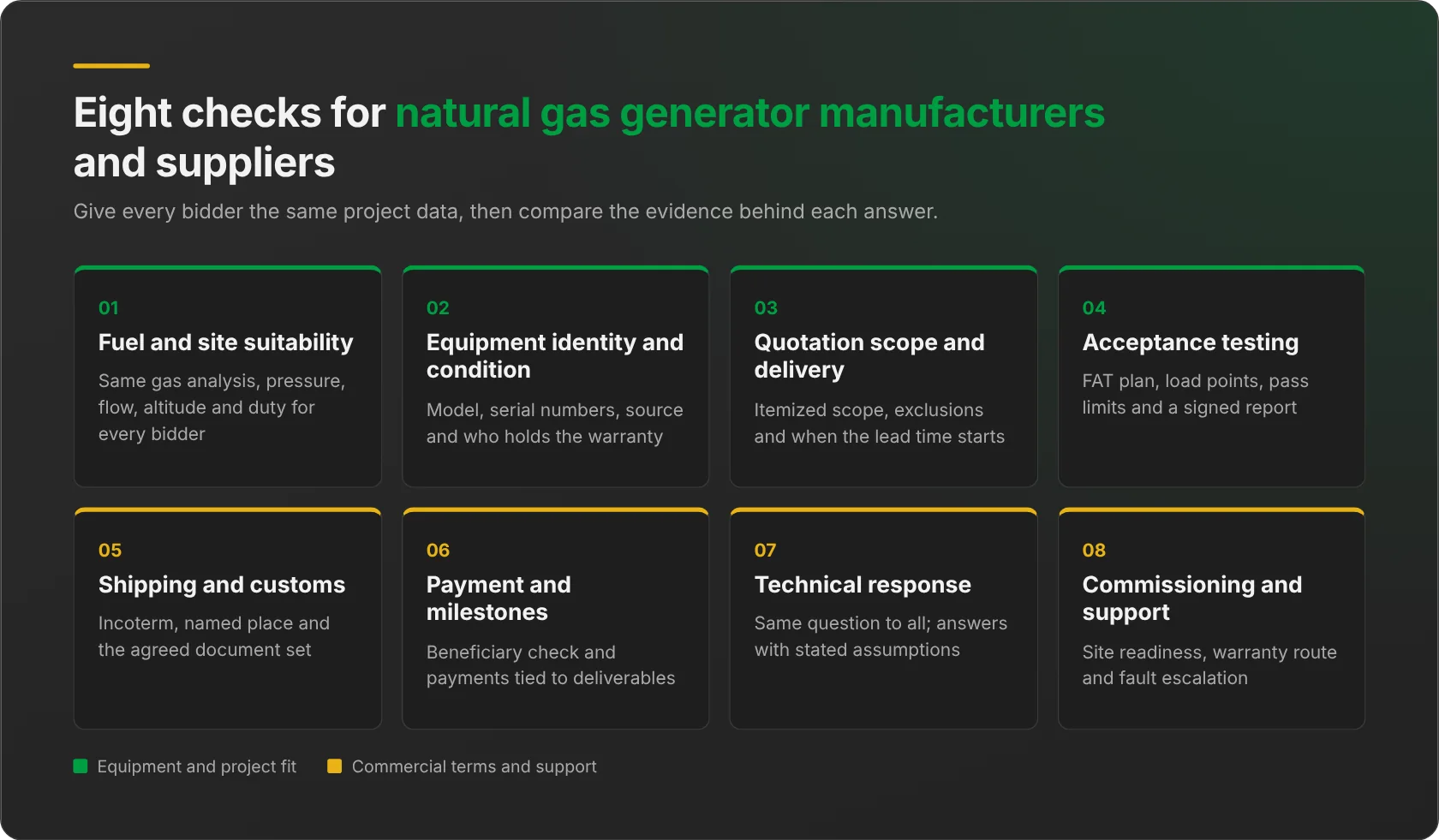
Confirm the engine model, package configuration, serial numbers and where the equipment comes from. Establish who manufactures the engine, who integrates the package and who stands behind the warranty. An industrial generator company may cover several of these roles, while some natural gas engine manufacturers supply only the engine. Either way, the contract should name who is responsible for each one.
For remanufactured or used equipment, request running hours, maintenance history, overhaul scope and test records. Hours since overhaul do not, on their own, tell you how much life is left.
Quotation scope and delivery schedule
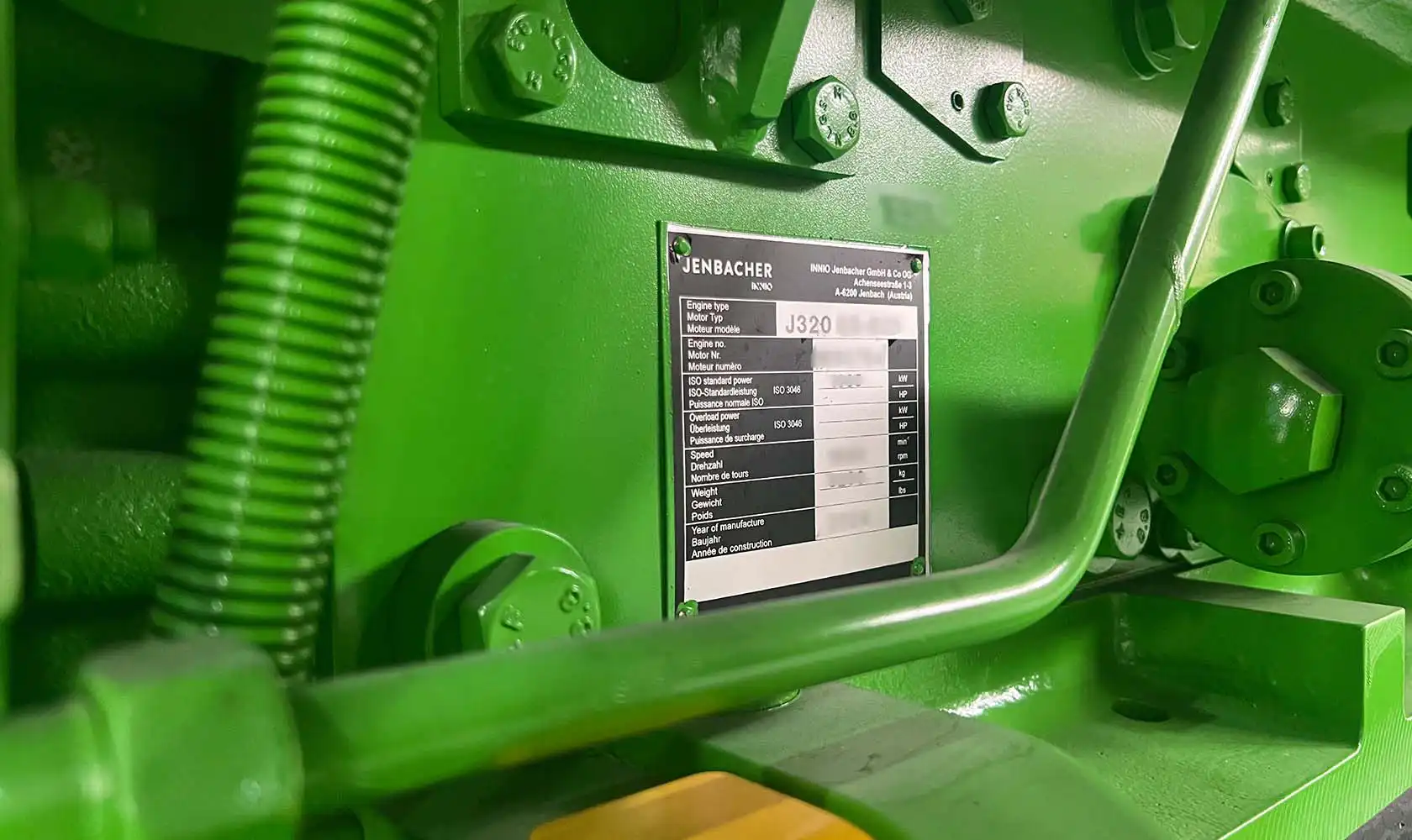
Ask for an itemized quotation covering the engine, alternator, controls, cooling system and gas-supply equipment. Define the connection points where the supplier’s scope ends, and list exclusions such as foundations, cabling, transformers and installation. Assign responsibility for meeting the applicable emissions, noise, electrical-safety and grid-connection requirements.
Check when the lead time starts and which approvals or payments must come first. A unit that is ready for dispatch is not the same as a unit on site.
Acceptance testing
Agree on the factory acceptance test (FAT) before you place the order. Specify how equipment identity is checked, the test fuel, ambient conditions, load points, duration, power factor and pass limits. Include the control and protection checks you need, carried out with manufacturer-approved methods.
Decide how the test will be witnessed and who signs off release for shipment. Ask for a signed report with readings, deviations and corrective actions, and agree on retesting and the evidence needed to close a failed item. A factory test cannot prove everything about the installed system, so list what still has to be verified during commissioning and the site acceptance test (SAT).
Shipping and customs responsibilities
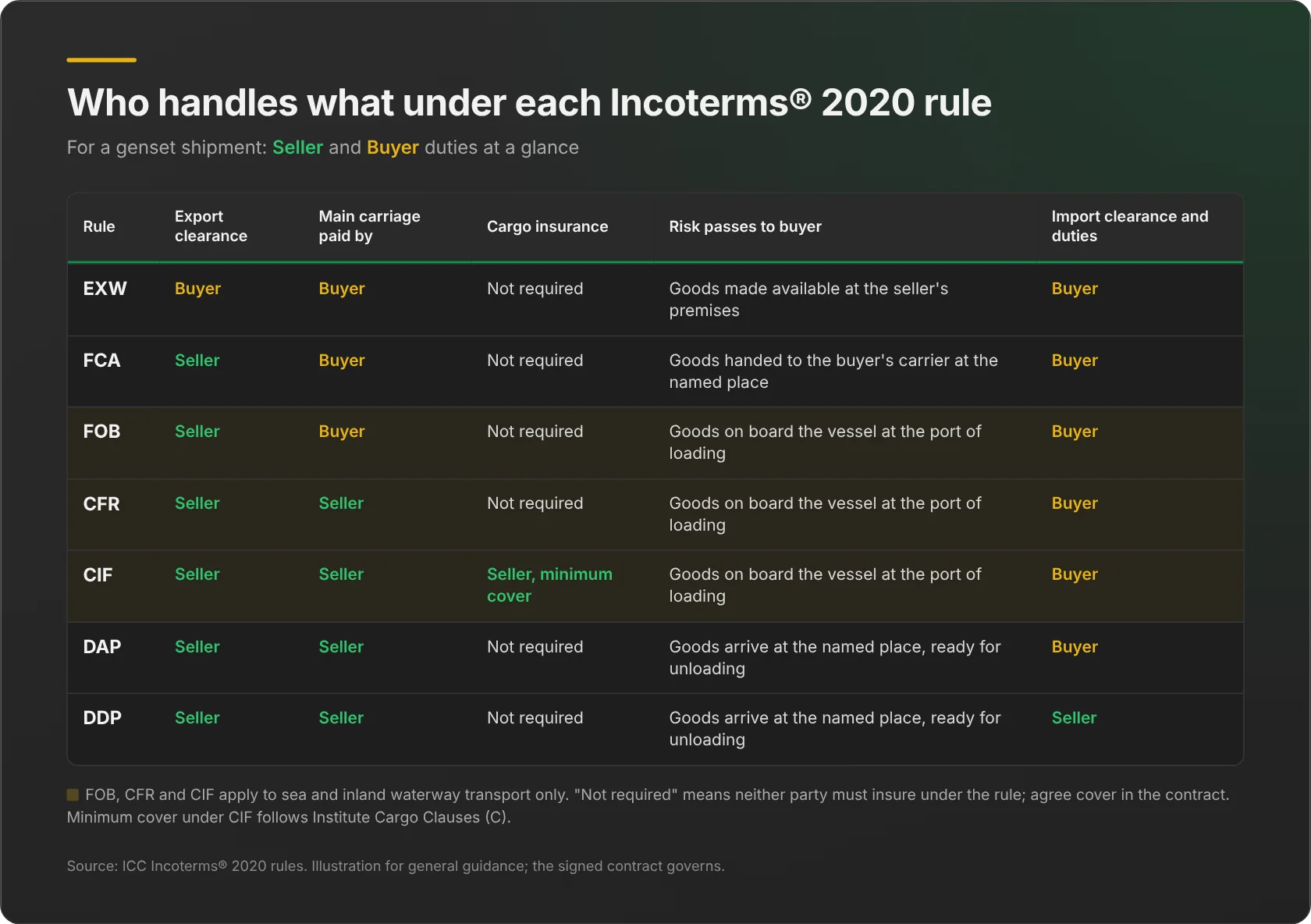
Write the trade term, the named place or port and the Incoterms® edition into the offer. Allocate freight, insurance, customs clearance, duties and unloading. Under standard DAP, the buyer handles import clearance and pays duties; under DDP, both fall to the seller.
Agree on the commercial invoice, packing list, transport documents and any certificates the destination requires. Customs release does not mean the equipment is approved for installation or operation.
Payment terms and milestones
Confirm the contracting entity and the payment beneficiary, and check that they match. Tie each payment milestone to a clear deliverable, such as approved specifications, an accepted test report or the shipping documents. State how unresolved defects affect payment and release.
Treat the payment method and equipment acceptance as separate questions. A letter of credit deals with documents and does not replace inspection. A bill of exchange on its own is not a bank guarantee.
Technical response
Send each bidder the same project-specific question about output, fuel compatibility or controls. A useful answer from natural gas engine suppliers comes with specifications, stated assumptions and a list of open checks. A fast acknowledgment helps, but it does not mean the engineering work is done.
Confirm a named project contact, a direct route to an engineer and target dates for open questions. Agree on emergency contacts separately. A sales response commitment is not the same as a guaranteed site visit or repair time.
Commissioning and after-sales support
Define commissioning tasks, site prerequisites, operator training and recommended spare parts. Confirm who checks that the fuel, electrical and cooling systems are ready before startup, because unfinished site work can stall the planned commissioning.
Check who provides the warranty, when it starts, what it covers and excludes, and how claims work. Identify who pays for labor, travel and replacement parts. Agree on fault escalation, and on whether ongoing maintenance or plant operation support is included or contracted separately.
—————————————————————————————————————————————————————————————————————————————————————————————-
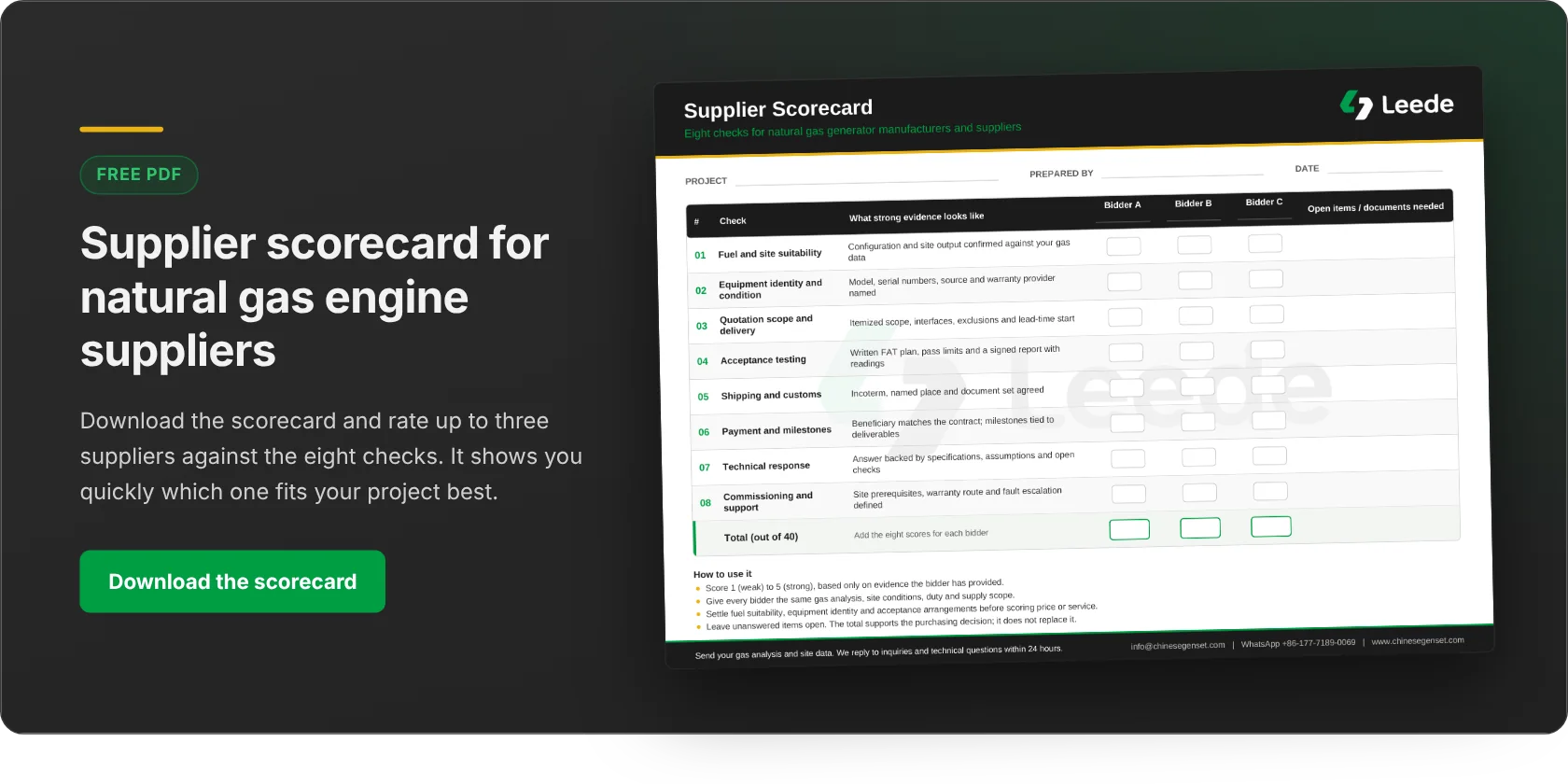
Use the downloadable supplier scorecard to compare up to three bidders. It works the same way for an OEM, an industrial generator company or a trading company. Settle fuel suitability, project requirements, equipment identity and acceptance arrangements first, then score the evidence for each check. Leave unanswered items open and record the documents or actions needed to close them.
How Leede Power can help
Leede Power is an international gas power equipment trading and solutions company. We link equipment selection, commercial terms and support through startup. Tell us your fuel, duty, budget and destination, and we will define the scope around your project.
Frequently asked questions
How do I compare natural gas generator manufacturers fairly?
Give every bidder the same fuel analysis, site conditions, duty and supply scope, whether the bidder is an OEM, an industrial generator company or a trader. Confirm basic suitability before you score price or service. Then compare supporting documents, acceptance plans and contract responsibilities. The supplier scorecard records the evidence, but its total is not a purchasing decision.
Do natural gas engine manufacturers supply complete gensets?
Some do; others supply the engine and leave the package to an integrator. Confirm who selects the alternator, controls and cooling system, and who tests the finished genset. Establish the warranty route for the engine and for the package components, rather than relying on the brand name alone.
What should I ask a biogas generator supplier?
Start by asking whether the proposed engine configuration suits your gas composition and contaminants. Provide a gas analysis that covers moisture, sulfur compounds and other relevant impurities, and confirm treatment requirements and fuel limits before selection. Do not assume a natural gas configuration can run on untreated biogas.
Which delivery terms does Leede Power offer?
We offer EXW, FCA, FOB, CFR, CIF, DAP and DDP, with the route and responsibilities agreed for each order. FOB, CFR and CIF are terms for sea and inland waterway transport. If containers are handed to the carrier before they are loaded on the vessel, FCA may match the actual delivery point better.
Which payment methods does Leede Power accept?
We accept letters of credit, telegraphic transfer and bills of exchange. The contract should define amounts, timing and required documents. You can also ask about project financing or cooperation models; availability and terms depend on project review and the signed agreement.